Recently, Catalco helped a scientific research team successfully carry out the first domestic test flight based on a self-developed atomic magnetometer equipped with a drone aeromagnetic system. This marks a major breakthrough in the localization of core magnetic sensors in the drone aeromagnetic system.
This team combined the needs of unmanned aeromagnetic systems and special application scenarios to optimize the technology of the domestic atomic magnetometer and solved key issues such as interference from airborne electromagnetic equipment and flight attitude adjustment. They have realized the collection, collection and compensation of high-precision aeromagnetic data, greatly improved the efficiency and reliability of drone aeromagnetic system testing, and effectively solved the high cost and safety risks of artificial ground detection.
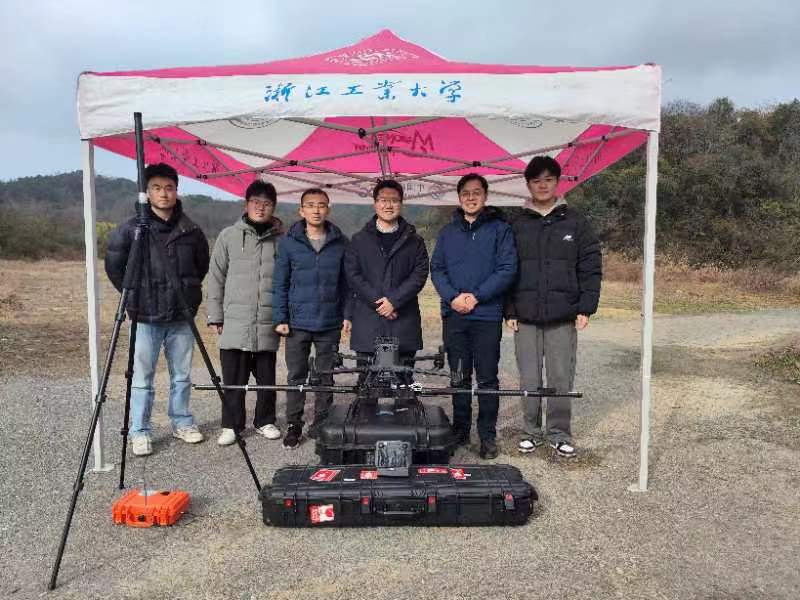
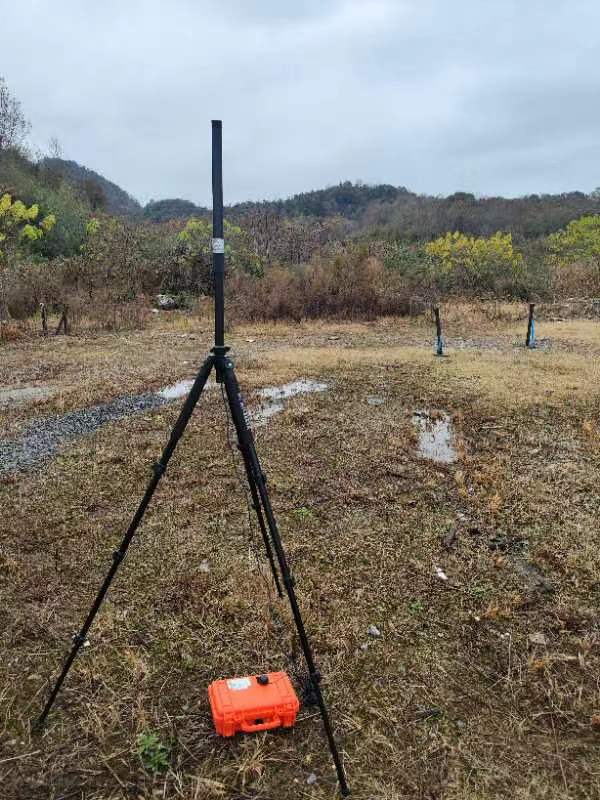
(Picture: Self-developed rubidium optical pump daily transformation station, which can flexibly replace various domestic and foreign probes on demand)
Unmanned aerial vehicle aeromagnetic measurement is a fast and efficient geophysical exploration method. It is mainly divided into two types of unmanned aerial vehicle aeromagnetic system: fixed-wing and multi-rotor. This test uses a multi-rotor drone, which can quickly climb to 250 meters in the air and automatically complete aeromagnetic data collection along a predetermined trajectory.
According to reports, the scientific research team has been deeply involved in the field of quantum precision measurement technology for many years. The independently developed atomic magnetometer is a high-performance optically pumped atomic magnetic field sensor. It has the advantages of being small, lightweight, low power consumption, high sensitivity, stability and reliability, and is very suitable for equipping small and medium-sized drone aeromagnetic measurement systems. This technology has a wide range of applications and can be used in geological exploration, environmental monitoring and other fields.
The team said that at present, atomic magnetometers are mainly used in biomagnetism, such as brain magnetism and heart magnetism, and there are relatively few applications for geomagnetic measurement. However, they plan to conduct a large number of tests, improve the technology, and continuously improve the stability and measurement accuracy of the instrument, in order to promote its use in more practical application scenarios and contribute to the development of domestic drone aeromagnetic systems.
